
PHILIPP MATHMANN
Candidate for EU Parlament
Philipp
Mathmann
Together for
a stronger
Europe.
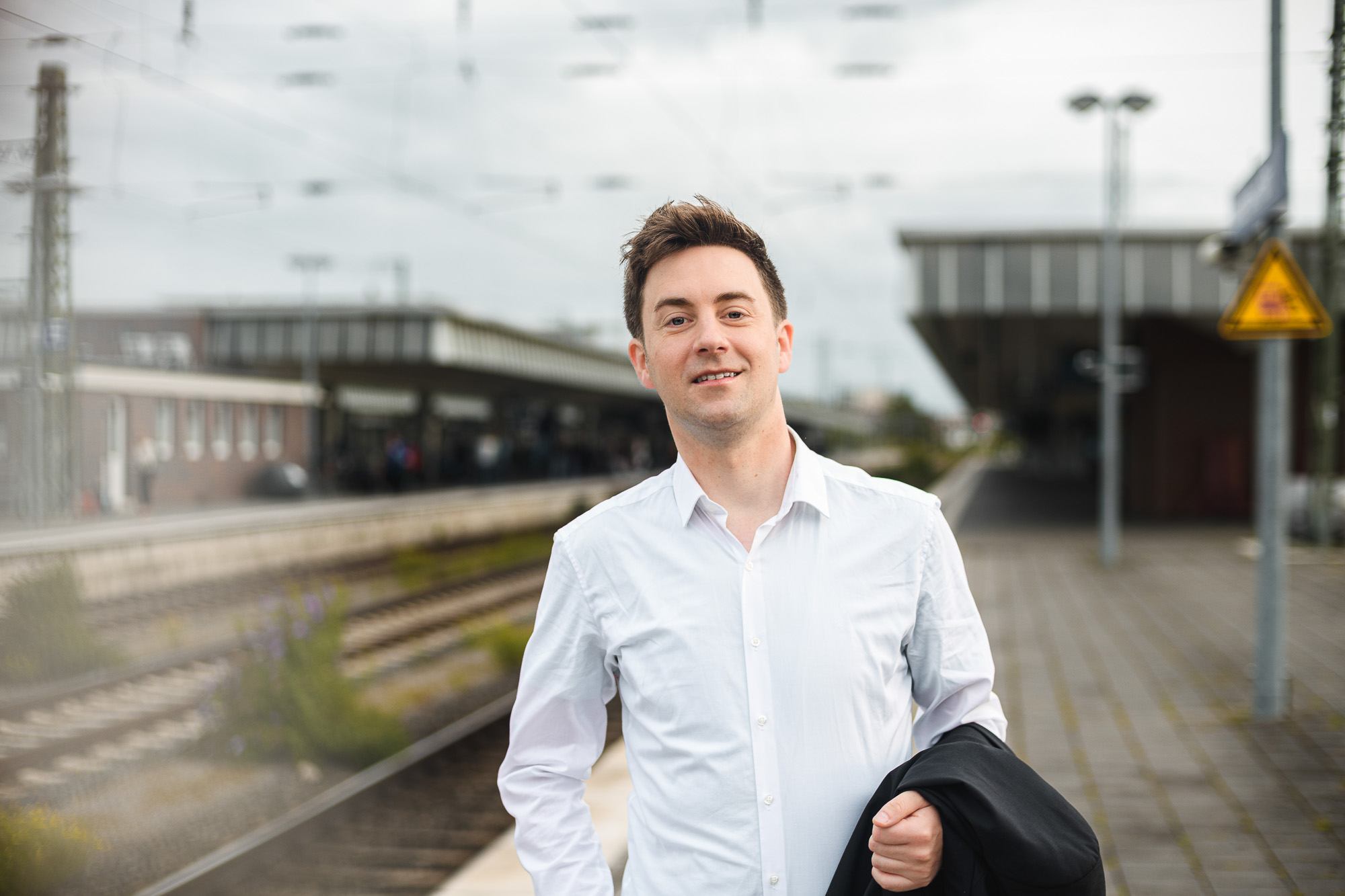
SO MUCH IS AT STAKE!
As a candidate for Alliance 90/The Greens for the European Parliament, I enter this race with deep gratitude — as a physician, freelance artist, father, husband, and passionate European. Especially now, as our freedom, democracy, and fundamental values are threatened by right-wing populists in Germany and around the world — as democracies slide toward authoritarianism — I feel personally called to stand up for a resilient and self-defending democracy.
The key questions of our time — migration, war, and climate protection — can only be answered internationally. The 2024 European elections therefore carry special significance for how we live together and for our shared future. Ultimately, it is about how we live together in health and peace. If we asked, in every political decision, whether it promotes health and peaceful coexistence, many debates would resolve themselves. In my political work, I therefore want to focus in particular on health and science, as well as education and culture.
I am committed to policies that place people’s physical and mental health at the center. A Europe that guarantees fair access to sustainable healthcare and is guided by evidence-based decision-making. Not only the COVID-19 pandemic has shown us that health policy must be considered internationally. Rapidly changing climate conditions, species extinction, ocean pollution, deforestation, urban noise, and emissions are already causing direct health damage to billions of people.
The challenges we face are historic in scale and can only be solved together. That requires listening to one another and working side by side. The growing rejection by parts of society of uncomfortable scientific truths is testing democracies worldwide. Major changes lie ahead — whether we act or not. Open communication, reliability, strong education, and cultural exchange are crucial in this process so that we remain united as a European community beyond national borders. These times demand a clear compass of values, well-founded and courageous decisions, and the strength to stand together.
Europe must inspire and ignite enthusiasm. I am grateful to be able to contribute to this path through my candidacy, and I look forward to exchanging ideas and meeting with you.
Yours sincerely,
Since 11/2023 Candidate for the European Parliament on the federal list (endorsed by the Münster district association, the Westphalia regional association, and the North Rhine–Westphalia state association)
Since 12/2023 Spokesperson of the State Working Group on Health (NRW)
Since 2021 Member of the Münster district association; since August 2023 alternate delegate to the Westphalia regional council
Since 2019 Member of Alliance 90/The Greens, initially in Berlin
Membership in working groups:
• Cultural Affairs Working Group Münster
• State Working Group on Health NRW
• State Working Group on Europe, Peace & International Affairs
• State Working Group Queer NRW
• Federal Working Group on Culture
• Federal Working Group on LGBTQ+ Policy
A healthy society is the foundation of a strong and sustainable Europe. For me, the European vision of health is defined by three key principles:
Comparable, cross-border health standards that ensure high-quality and accessible healthcare for all people in Europe.
Sustainability is indispensable in the healthcare sector as well. As one of the largest contributors to emissions, the healthcare industry must move toward a future with fewer emissions and less waste — while embracing its ethical responsibility to promote health and act in environmentally responsible ways.
Health must serve as the benchmark for all areas that affect people’s well-being. The public health perspective therefore needs to be integrated into decisions concerning environmental protection, ecology, transport, climate policy, and emissions. The mental and physical health of people must be a central criterion in political decision-making.
Together, we can build a healthy future — accessible to all, sustainable, and firmly embedded in every political decision.
Education and culture hold the keys to the future. They enable not only individual growth but also strengthen social cohesion.
Education lays the foundation for informed, democratic participation and for progress. Culture fosters exchange, broadens horizons, and builds bridges between people. Equal access to education and culture is essential for an open society that seeks to evolve. Only then can diversity be understood as enrichment. A future without mutual understanding is a future without respect and without peace.
I am convinced that supporting education and culture is a driving force for progress. Many of humanity’s greatest innovations were first imagined in the arts. By empowering individuals, we strengthen our community as a whole. Only through this commitment can a tolerant society be nurtured and sustained.
An open society is built on knowledge, respect, and equal opportunity. I stand for ensuring that education and culture become the bridges to a vibrant and inclusive future.
My Vision for Europe
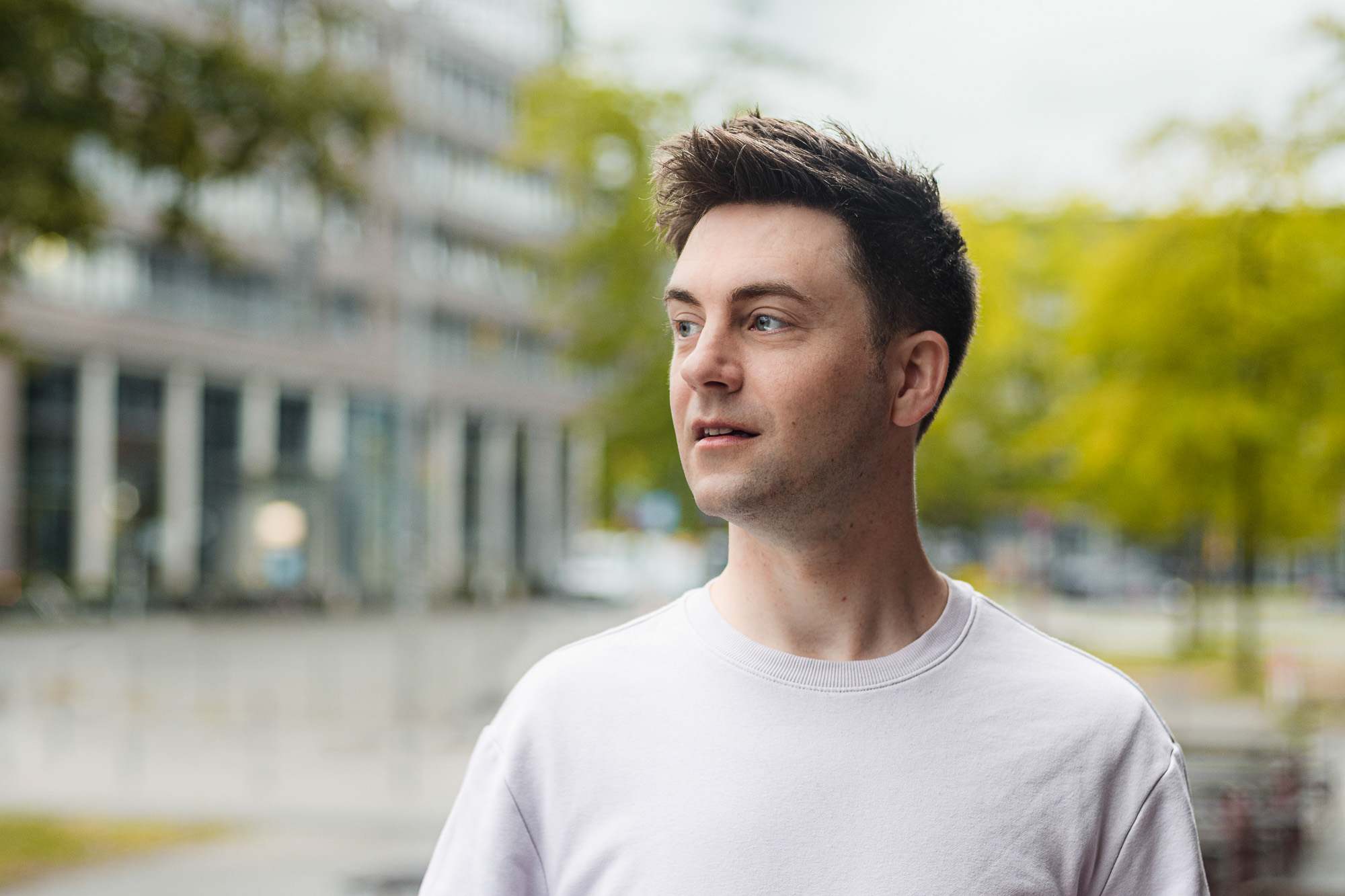
Safeguarding Sustainable Health and Care
Physical, mental, and social health form the foundation of individual well-being and create security and social stability. It was only with the COVID-19 pandemic that Europe moved closer together as a European Health Union, forced to take joint decisions — for example in vaccine procurement. Yet many tasks could not be tackled cooperatively, as national systems still differ too greatly.
In the future, this issue will become even more important. Medicine shortages, shortages of skilled professionals, heatwaves, natural disasters, and further pandemics are placing healthcare systems under pressure — challenges that can only be addressed through international coordination. Moreover, the principle of free movement within Europe requires better portability of health and social benefits across borders. This calls for stronger coordination, reduced bureaucracy, and consistent digitalization.
Beyond these fundamental tasks of coordinating care, healthcare systems must also be examined in terms of sustainability. 4.4% of global greenhouse gas emissions are generated by the healthcare sector (in Germany, the figure is even 5.2%), exceeding emissions from aviation and shipping combined — largely due to inefficient energy use. Waste management, water consumption, and energy use within this vast sector must be critically reassessed. Healthcare institutions, in particular, carry a significant ethical responsibility to act in environmentally responsible and health-promoting ways.
It is also especially important to me that shared European health standards, based on established scientific evidence, are defined and implemented. Within a community such as the European Union, there must be no severe disparities in healthcare provision between individual countries or between rural and urban regions. Furthermore, the public health perspective must be systematically integrated into other policy areas, and the promotion of children’s and adults’ health must become a guiding principle of political decision-making.
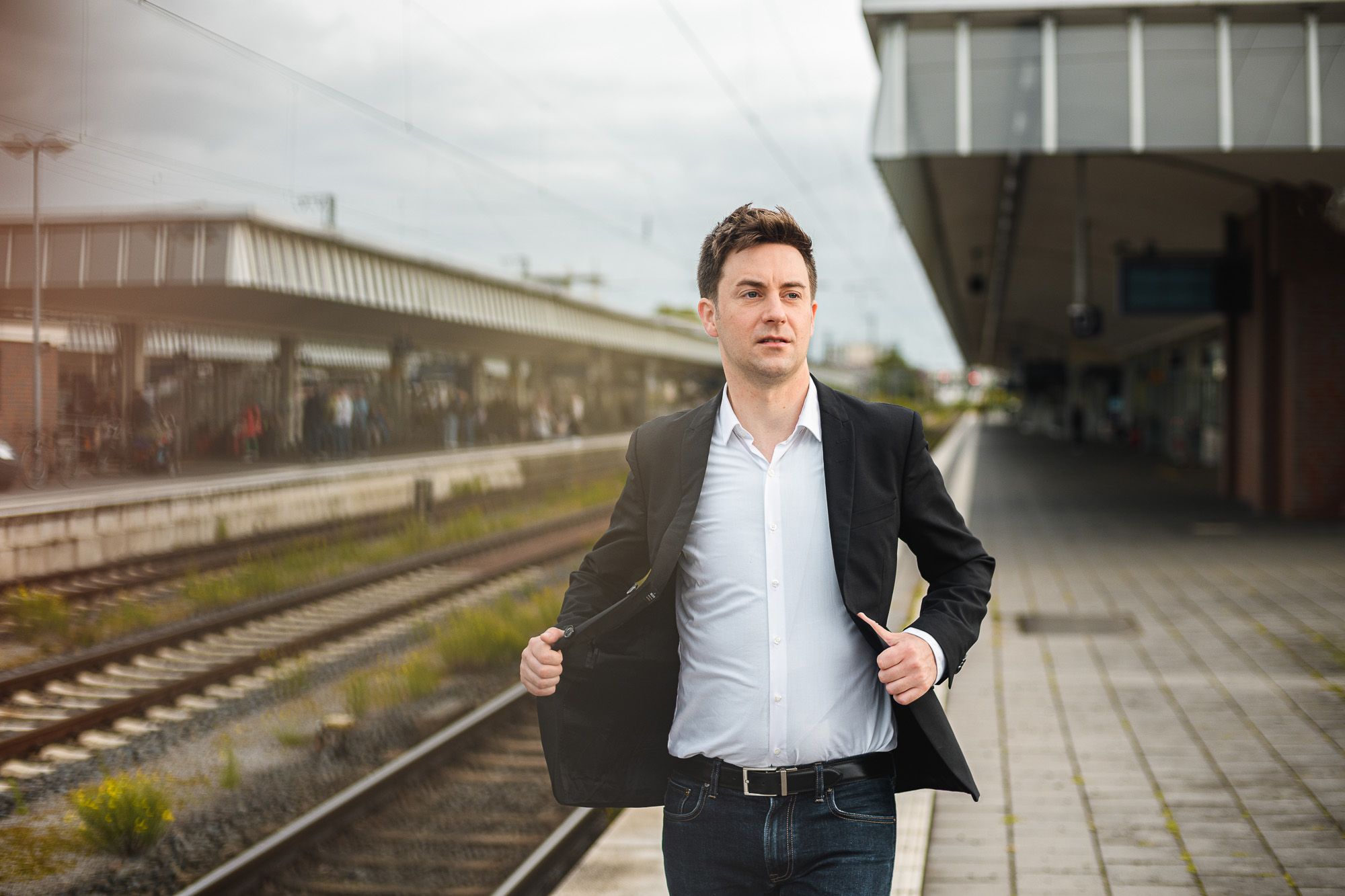
Creating Opportunities Through Progress
Science and research are indispensable to the development of our society. A strong Europe must invest more decisively in education and research in order to enable innovations that improve our lives and create jobs. We need to strengthen cooperation between European institutions and local research centers to promote scientific excellence and ensure that Europe remains competitive.
University exchange programs and cross-border, cross-sector mobility fellowships such as the Marie Skłodowska-Curie Actions or ERASMUS+ should be further expanded to create incentives for both cultural and scientific exchange and collaboration. Through additional funding instruments, the European Union has the opportunity to support coordinated research priorities within collaborative networks.
International scientific cooperation reduces competition and duplication of structures within the EU, making research more effective and economically efficient. Research institutes, companies, and universities should be encouraged—through facilitated exchange and targeted support—to engage in international collaboration. At this point, the reduction of bureaucratic barriers is crucial to making such cooperation feasible. Innovations and scientific findings emerging from pooled expertise would be of higher quality and would carry greater international legitimacy and recognition from the outset.
Alongside expanding exchange, cooperation, and strengthening the EU as a center of innovation, science communication must become a stronger focus of European research policy. Skepticism toward science and conspiracy theories seriously undermine the stability of our democracy. Scientific progress must therefore also be measured by how effectively it reaches people through clear and responsible communication. Free accessibility to scientific publications (open access) should become the European standard, and key findings should be made available in language that is understandable to the broader public.
Education: the Path to Inclusiveness
Education is the key to personal growth and to the strengthening of democracy. As a community of shared values, the European Union has not yet fully lived up to its commitment to international equal opportunity. Education forms the foundation of an active, informed, and engaged citizenry. It promotes social justice, tolerance, and economic development — all of which are essential to a strong and stable democracy. It is therefore crucial to invest in education and ensure that it is accessible to everyone living in the EU.
Education and support span all phases of life, but they are especially formative for children and young people. The early development of language skills and reading literacy — and above all the ability to read critically — is decisive in fostering informed decision-making. Critical reading forms the basis of an informed citizenry capable of actively participating in democratic society. Early-acquired language, reading, and writing skills enable people to understand, assess, and question information from diverse sources. This is particularly important in our current era, when we are inundated with a flood of information and opinions.
Media literacy must be strengthened, especially among children and young people, so they can recognize disinformation. International programs combating illiteracy and promoting education therefore make a direct contribution to safeguarding democracy and strengthening social cohesion. An active citizenry means being able to understand political debates and decisions, engage with public information, and participate in elections or petitions. Education builds societal resilience against extremist views and manipulation. It also fosters the ability to understand and engage with scientific knowledge.
Bold Culture. Diverse Society. Shared Progress.
International cultural exchange plays a vital role in promoting peace, democracy, and freedom. The pandemic reminded us clearly: without culture, silence takes over. By exchanging ideas, artistic expression, and cultural experiences, countries foster mutual understanding — reducing prejudice and preventing conflict. Cultural networking is essential to making Europe’s diversity tangible and to embracing it as enrichment. In doing so, culture strengthens mutual recognition and respect. In a globalized world, promoting tolerance and diversity is a cornerstone for safeguarding peace and freedom.
Cultural cooperation builds community. Culture connects people across borders and nurtures a shared European consciousness. A vibrant European cultural landscape is not only vital for maintaining peace; it is also a driving force for innovation and progress. Creativity and cultural innovation have always propelled societal development. Artists and cultural practitioners inspire, challenge, and provoke reflection. These creative impulses must be supported and strengthened.
Culture is both a mirror of society and a shaper of the future. It creates connections, fosters understanding, and helps preserve and advance Europe as a space of peace, democracy, and freedom.
About me
Personal
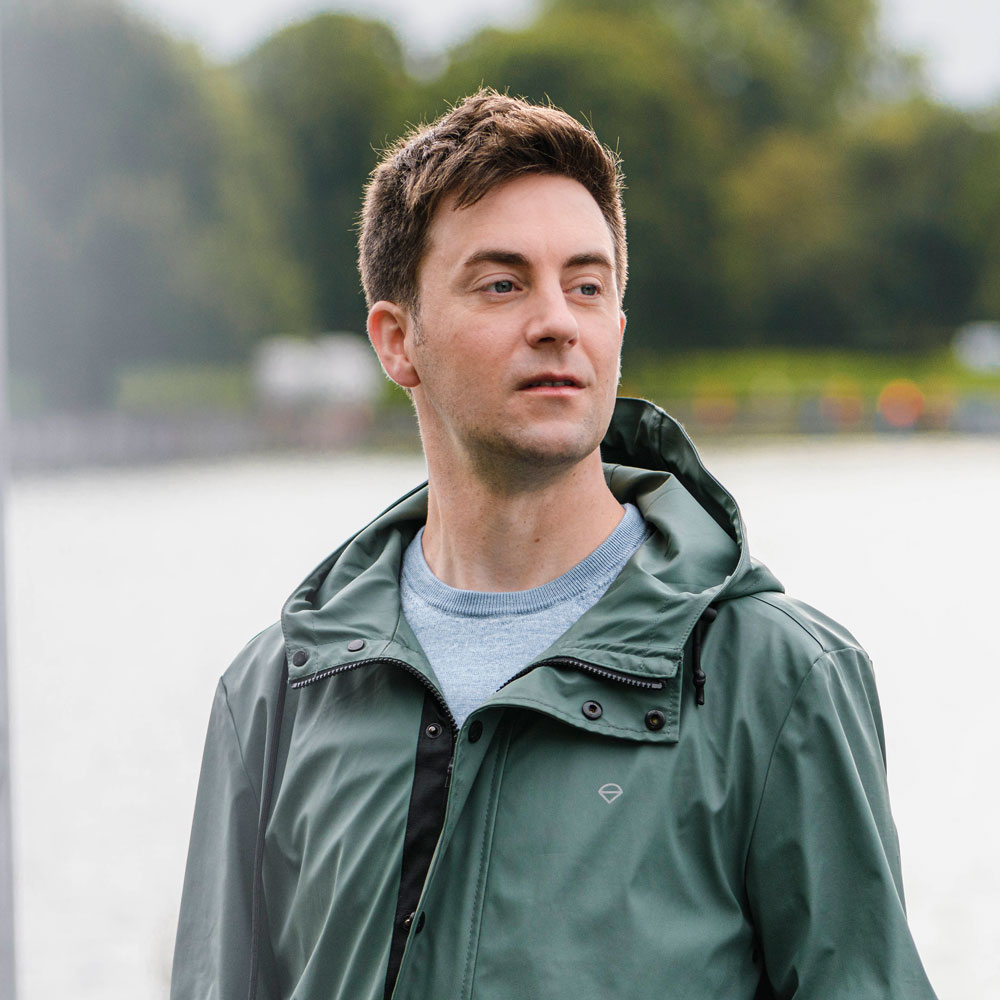
I am 37 years old, married to a Dutchman, and the father of a young son. I grew up in Lippstadt, studied medicine in Münster, completed my doctorate, and at the same time trained as an opera singer.
Today, I serve as Senior Consultant and Head of Department at the University Hospital Münster, perform internationally as a singer, and since 2013 have led an educational project for children at the University of Cape Town that I founded myself — where I was appointed Honorary Associate Professor in 2023.
Through these roles, I have had the privilege of working in many EU member states, as well as in South Korea, South Africa, and Russia. Friendships formed along the way continue to this day and remind me that much is expected of us in the shared pursuit of democracy, climate protection, and peace.
In my free time, I enjoy cooking for friends and spending time with our small rainbow family.
Updated 2023
Political Engagement
Since 11/2023
Candidate for the European Parliament on the federal list
(endorsed by the Münster district association, the Westphalia regional association, and the North Rhine–Westphalia state association)
Since 12/2023
Spokesperson of the State Working Group on Health (NRW)
Since 2021
Member of the Münster district association
(since August 2023 alternate delegate to the Westphalia regional council)
Since 2019
Member of Alliance 90/The Greens
(initially in Berlin)
Memberships in Working Groups
• Cultural Affairs Working Group Münster
• State Working Group on Health NRW
• State Working Group on Europe, Peace & International Affairs
• State Working Group Queer NRW
• Federal Working Group on Culture
• Federal Working Group on LGBTQ+ Policy
Education
2006
Abitur (university entrance qualification), Protestant Gymnasium Lippstadt
2007–2013
Studies in Human Medicine, University of Münster
International placements:
-
Royal National Throat, Nose and Ear Hospital, University College London
-
Groote Schuur Hospital, University of Cape Town
-
Massachusetts General Hospital, Harvard Medical School
Since 2007
Training as a classical concert and opera singer
2022
Doctorate (Dr. med.), University of Münster (summa cum laude)
Medical Career
2013–2015
Physician, University Hospital Cologne
2015–2017
Physician, Charité – University Medicine Berlin
01/2018–04/2020
Interruption of specialist medical training to pursue freelance work as a concert and opera singer (until the COVID-19 lockdown)
06/2020–07/2021
Physician, Department of Phoniatrics and Pediatric Audiology, University Hospital Münster
07/2021
Board certification as Specialist in Speech, Voice, and Pediatric Hearing Disorders
Since 08/2021
Senior Consultant and Deputy Medical Director,
Department of Phoniatrics and Pediatric Audiology, University Hospital Münster
Academic and International Engagement
2021
Founding member, Center for Transgender Health (CTH), University Hospital Münster
Since 2021
Co-spokesperson of the German Society of Phoniatrics and Pediatric Audiology (DGPP)
within the WHO Program on Prevention of Deafness and Hearing Loss (PDH)
Audiology Advisor for Germany in the WHO World Hearing Forum
2023
Co-founder of the initiative “Next Generation DGPP”
(since then spokesperson of the association)
Since 2023
Honorary Associate Professor, University of Cape Town, South Africa
Artistic Career
Since 2007
Training as a classical concert and opera singer
Since late 2021
International concert and opera engagements, including:
-
Konzerthaus Wien
-
Staatsoper Berlin
-
Semperoper Dresden
-
Teatro Real
-
Bayreuther Festspielhaus
Social Engagement
2002
Certified youth leader, Youth Welfare Office of the City of Lippstadt
2004–2011
Supervisor of an annual children’s and youth retreat on Wangerooge
2004–2010
Regular organization and artistic direction of benefit concerts and gala evenings for charitable initiatives, including:
-
Tsunami relief efforts in Sumatra
-
UNICEF AIDS relief
-
Orizont projects in Romania
-
UNICEF Haiti children’s aid
Since 2004
Active member of “Orizont – Hilfe zur Selbsthilfe e. V.”
(Supporting children and young people from orphanages in Romania)
Since 2012
Founder and director of a support program for disadvantaged children in the townships of Philippi and Langa near Cape Town
In cooperation with:
-
South African College of Music
-
University of Cape Town
-
NGO iThemba Labantu
Memberships
Since 2013
Member of the German Society of Phoniatrics and Pediatric Audiology (DGPP)
Since 2015
Member of the Cologne Society for Early Music
Since 2021
Member of the Collegium Medicorum Theatri (CoMeT)
Since 2022
Member of the Union of European Phoniatricians (UEP)
-
Member of the Voice Committee
-
Member of the Hearing and Language Committee
TOGETHER WE CAN DO SO MUCH MORE.
Whether in the Bundestag, the state parliament, or in city and municipal councils: we Greens roll up our sleeves together — for climate protection and social justice. Münster has set itself the ambitious goal of becoming climate-neutral by 2030. To achieve this, effective climate and environmental protection must not stop at the city limits of Münster — it requires allies at every level. That is why I want to represent Münster in the European Parliament: working hand in hand with those on the ground, I want to make possible there what we are fighting for here.
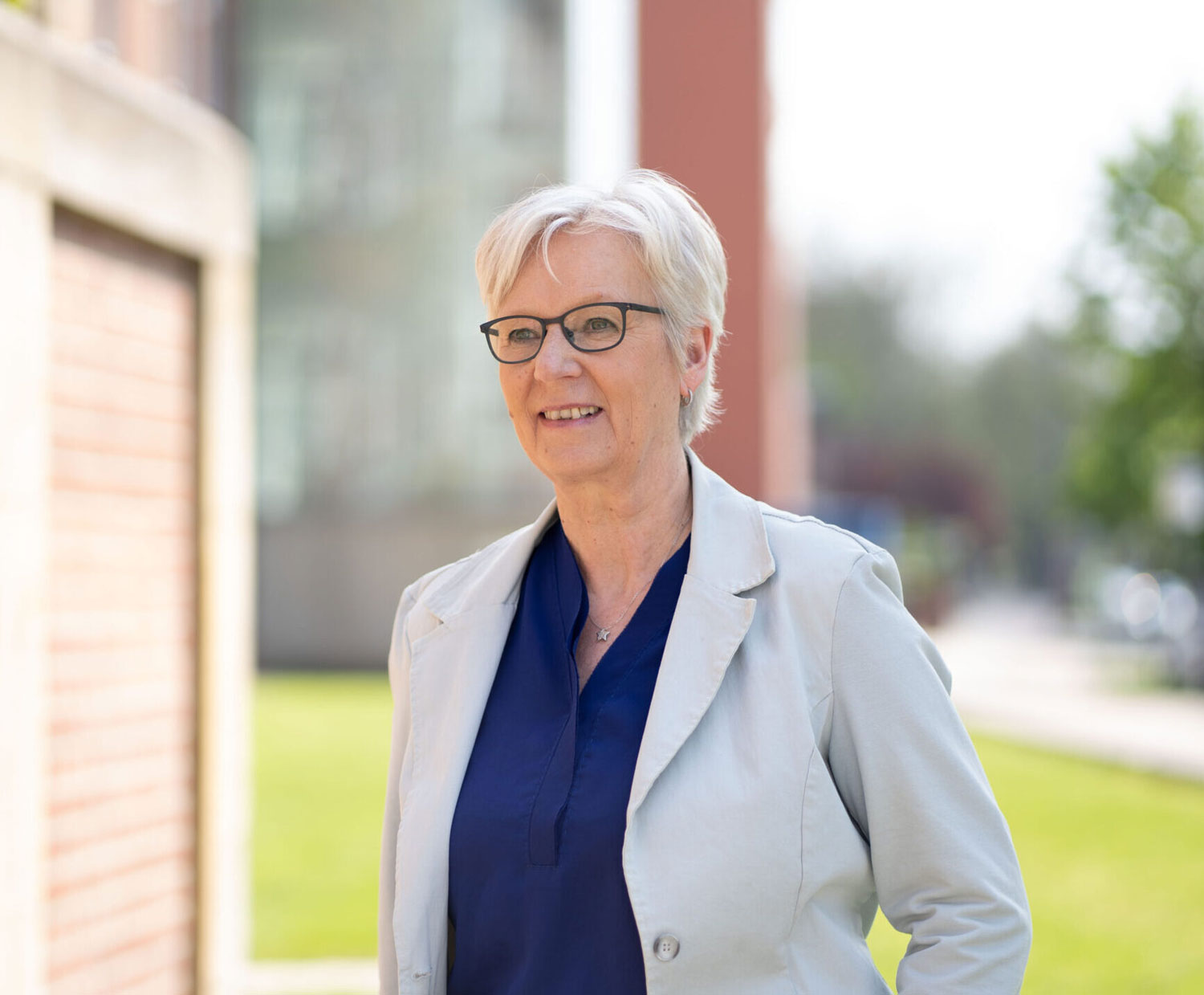
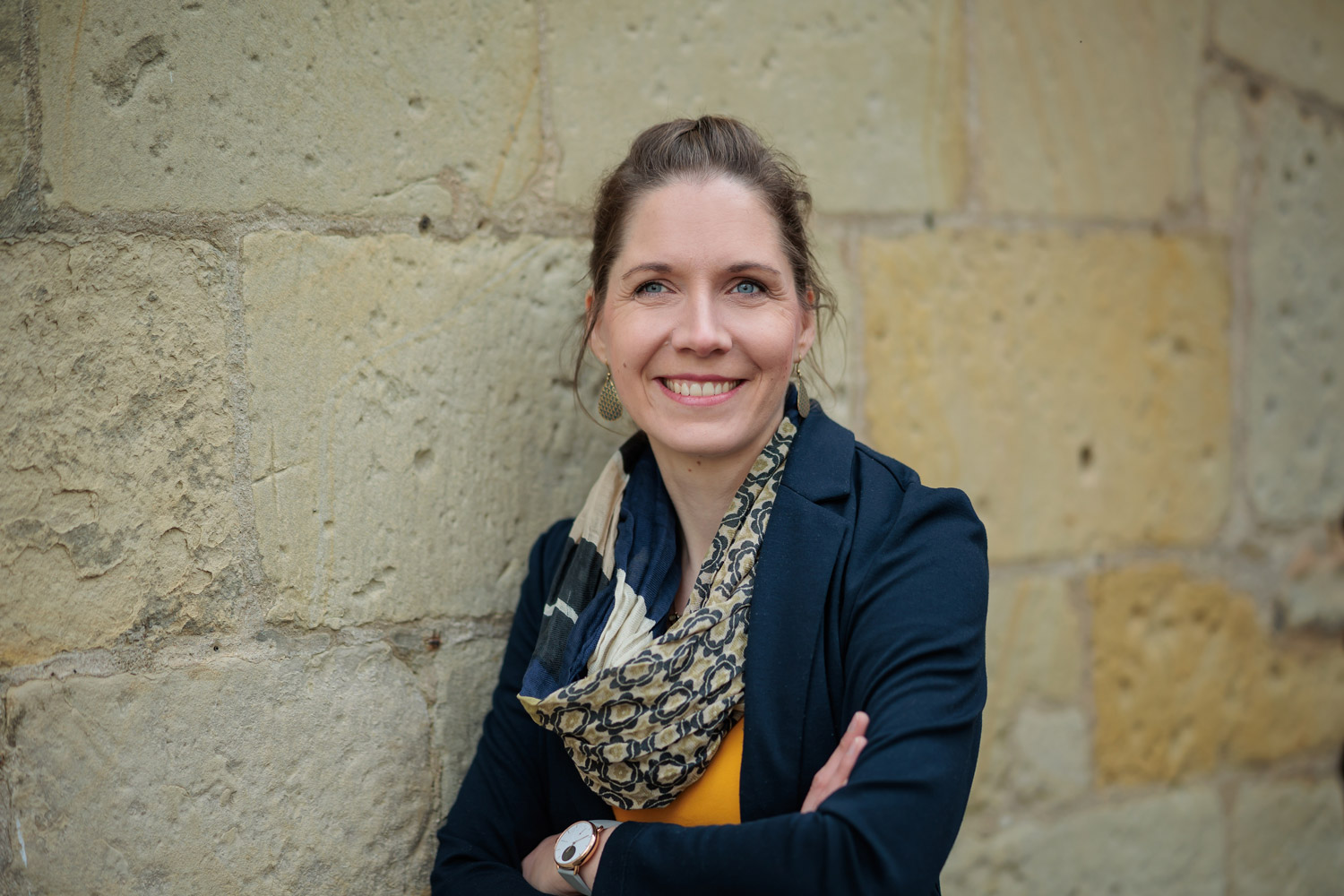
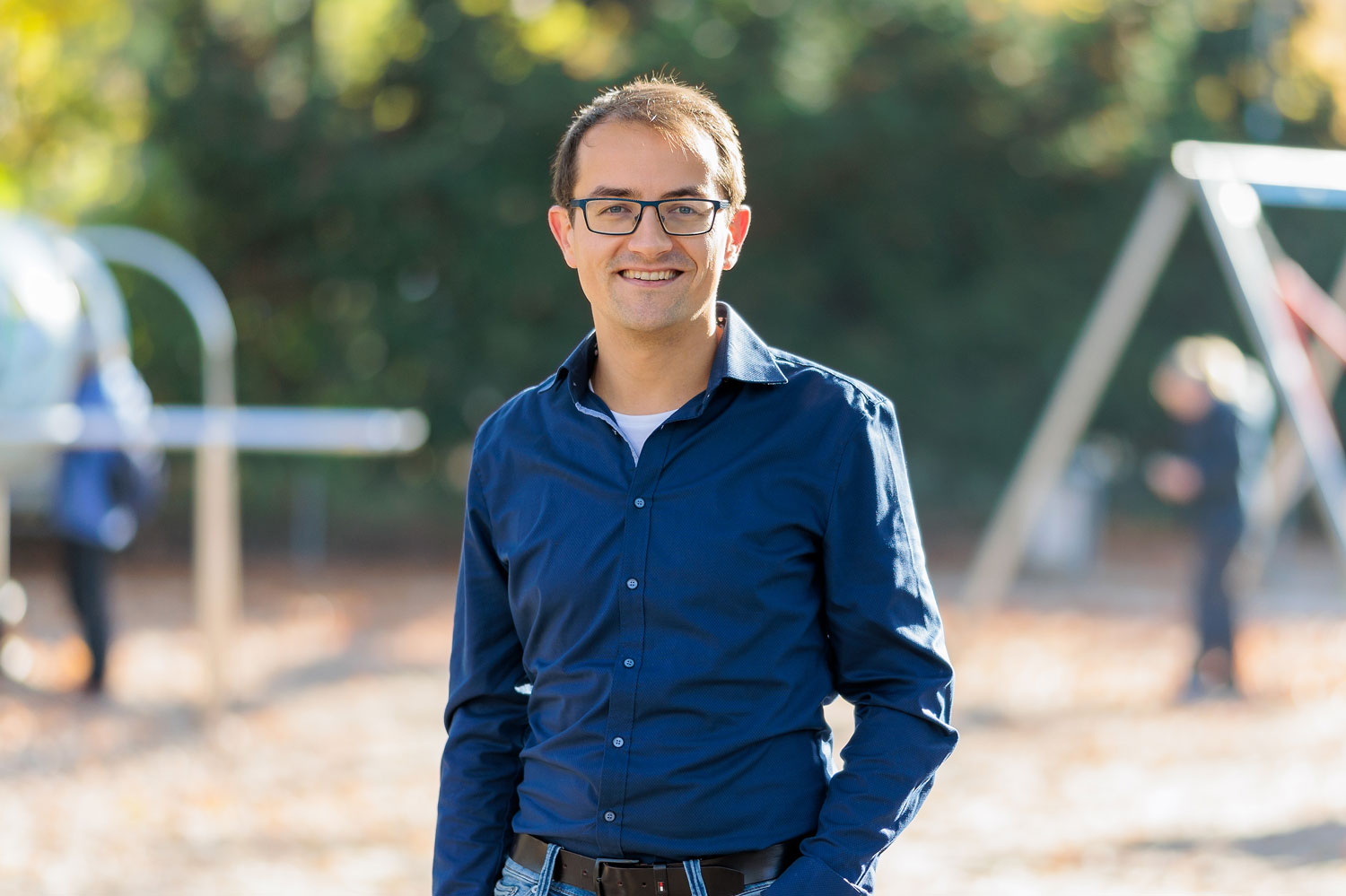
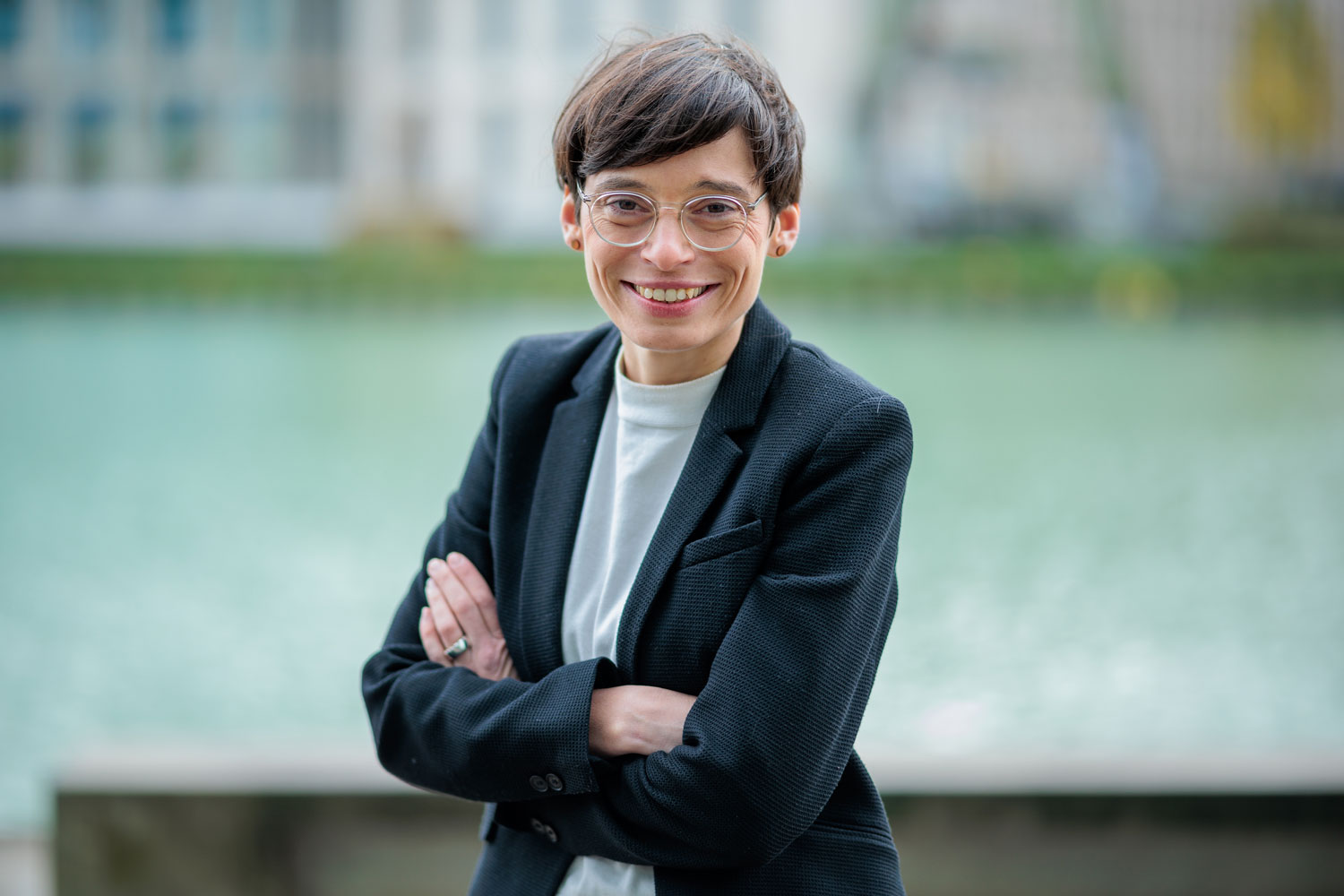
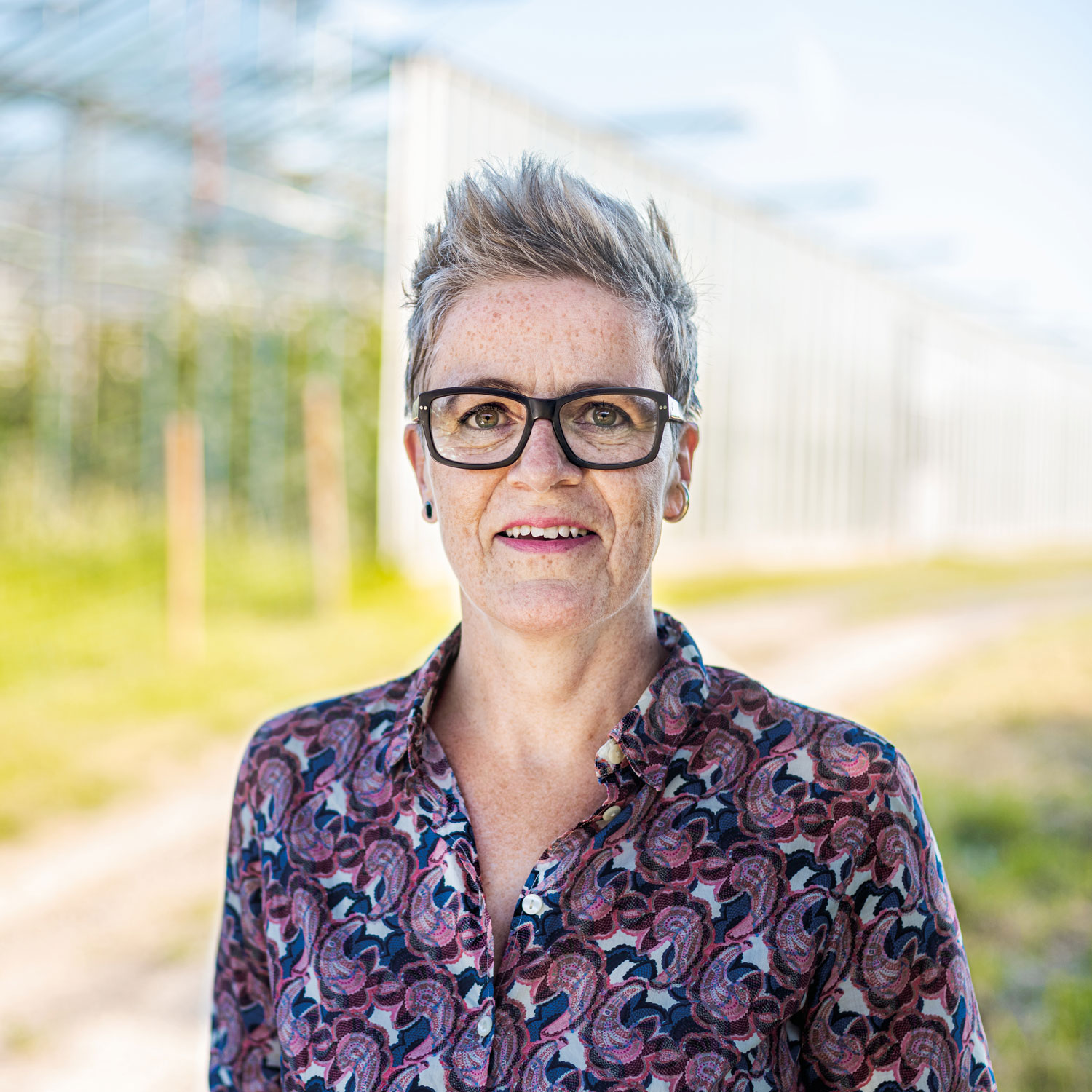
Sylvia Rietenberg
Fraktionsvorsitzende Stadtrat
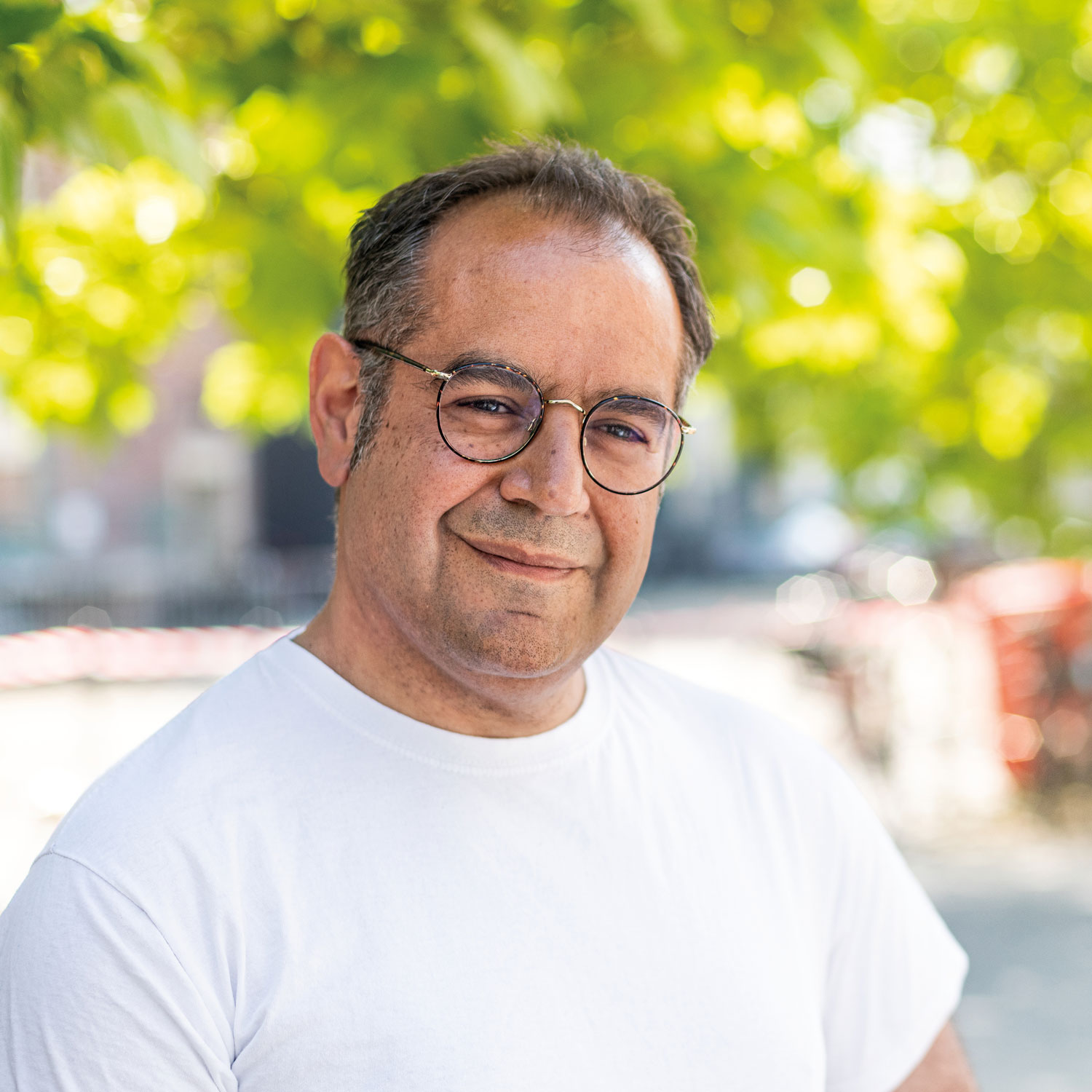
Christoph Kattentidt
Fraktionsvorsitzender Stadtrat
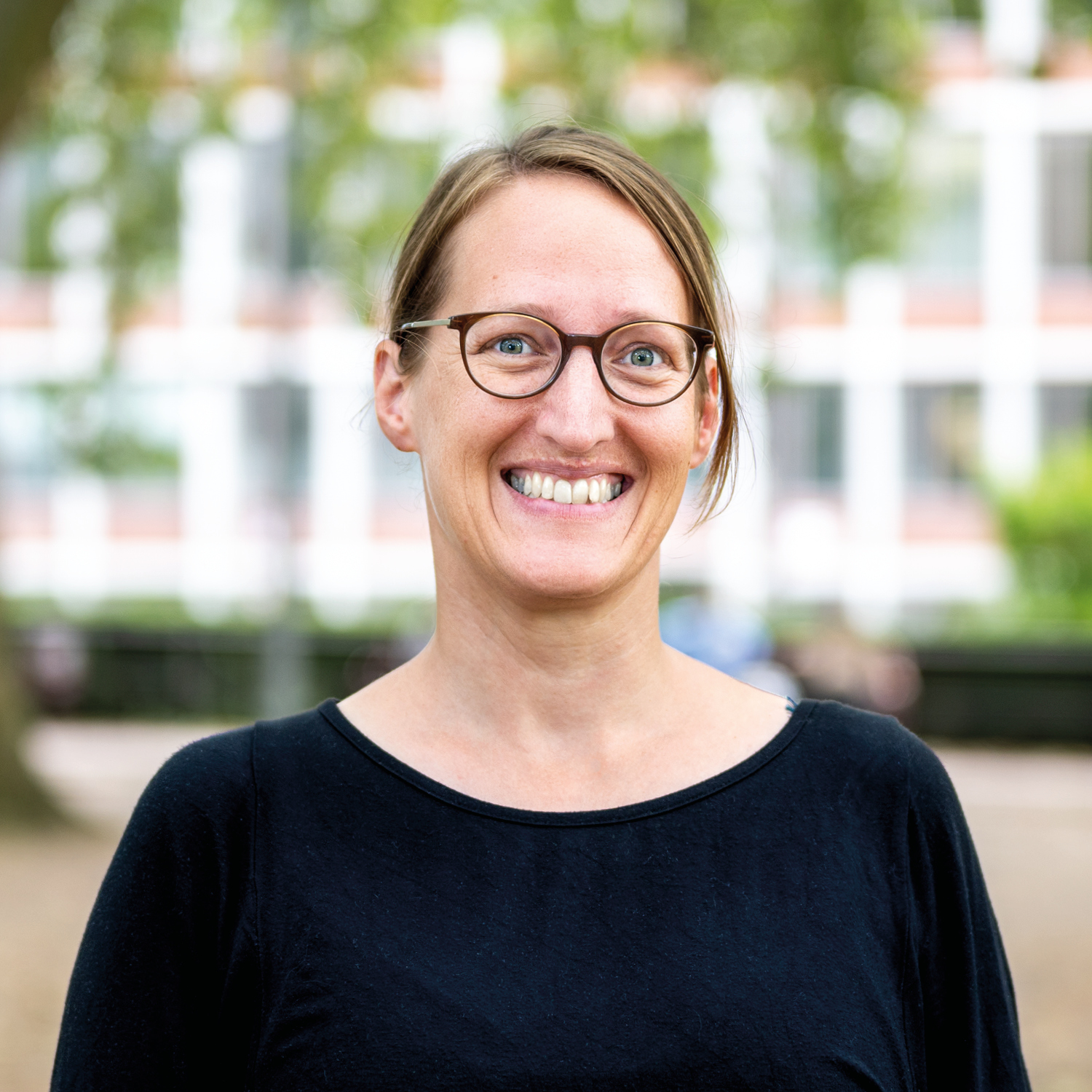
Birgit Wolters
Kreissprecherin
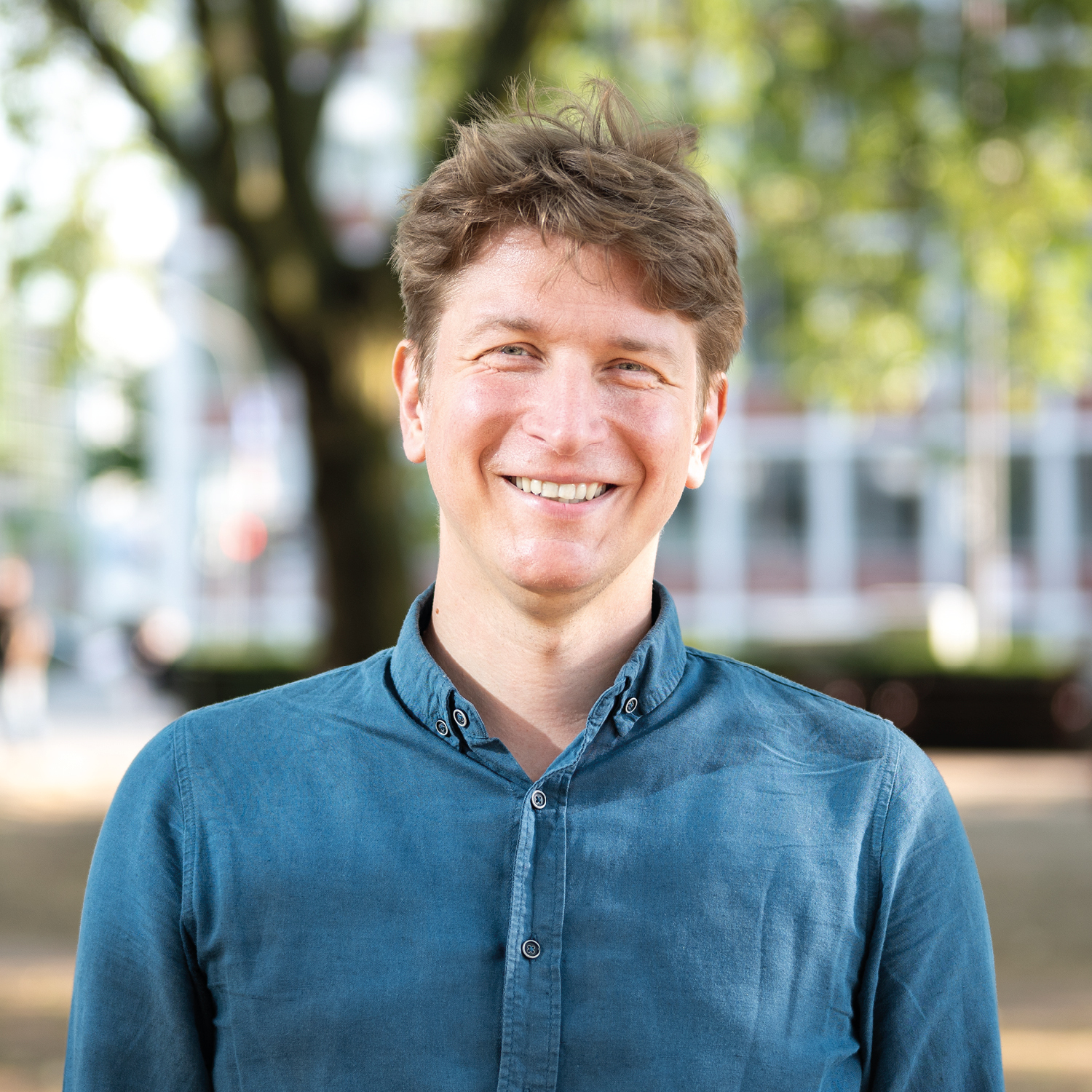
Jörg Rostek
Kreissprecher